

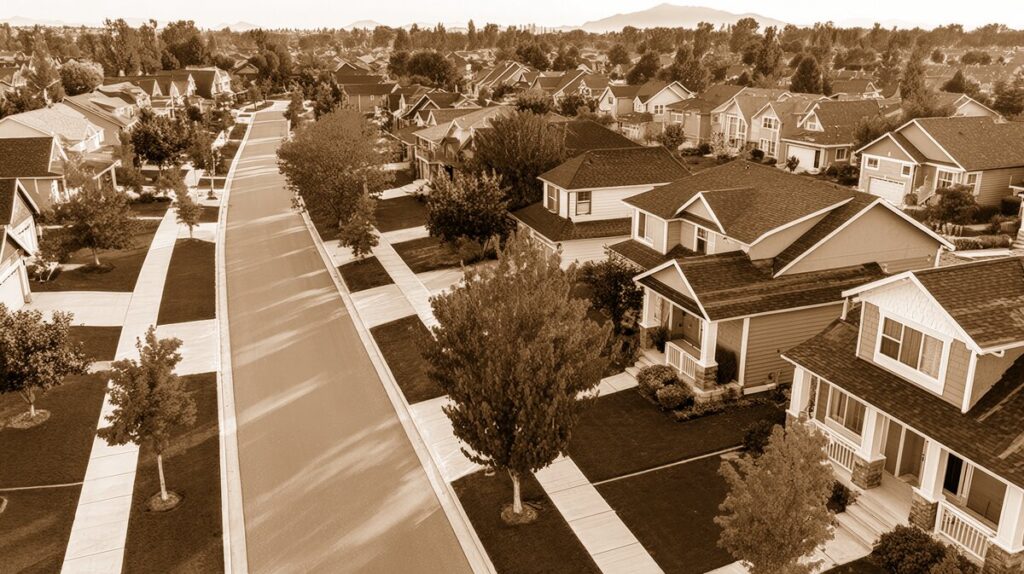
Nestled between the vibrant heart of Raleigh and the rolling fairways of Raleigh Country Club, Country Club Villas is a neighborhood whose tranquil streets and leafy ambiance trace a history as inviting as its name. For decades, this corner of the city has charmed residents and visitors alike, not just with well-kept homes and proximity to world-class golf, but with a sense of place rooted in community and tradition. Let’s step back in time and stroll through the legacy that makes Country Club Villas a truly special neighborhood to call home.
The Origins: How Country Club Villas Got Its Name
The story begins in the mid-20th century, when Raleigh’s eastern edge was on the cusp of transformation. The iconic Raleigh Country Club golf course, established in 1948 on Donald Ross Drive, became a magnet for development. The nearby villa-style homes were designed to echo the country club lifestyle, offering gracious living just a stone’s throw from the sculpted greens.
Developers drew inspiration from the fairways and clubhouse, naming the neighborhood “Country Club Villas” to reflect both the stately architecture and the aspiration of a resort-in-the-city sensibility. Families would stroll along Southall Road and Villa Place, drawn together by block parties and a shared love of golf, open space, and a slower pace of life.
Key Historical Milestones
- Late 1940s–1950s: The area east of downtown Raleigh saw gradual suburbanization after WWII, with Country Club Villas emerging as part of this trend. The neighborhood grew in tandem with Raleigh Country Club’s rising popularity, and many of the original homeowners were either members of the club or employees of downtown institutions.
- 1960s–1970s: Country Club Villas saw a blend of ranch-style homes and split-level designs, mirroring the architectural vernacular of the era. Magnolia trees, dogwoods, and azaleas flourished as families landscaped their lots.
- 1980s Onward: While the city expanded rapidly, Country Club Villas maintained its signature charm. The homes, nestled along unhurried streets like Villa Green Avenue and Country Club Drive, steadily appreciated in value.
Notable Landmarks and Legacy Buildings
What sets Country Club Villas apart are the enduring buildings and green spaces that anchor its identity:
- Raleigh Country Club: Designed by legendary architect Donald Ross, this championship course played host to generations of golfers. The clubhouse, subtly visible from many Villa Place backyards, remains a community touchstone.
- Watkins Drive and City Parks: While Country Club Villas is renowned for its leafy seclusion, the proximity to parks like Anderson Point Park (just a short drive east on Rogers Lane) enhances outdoor life. Meandering sidewalks on Cross Country Lane invite neighbors to gather, jog, or walk their dogs.
- Historic Homes: A stroll down Southall Road reveals several well-preserved mid-century homes, with original brick facades, broad front porches, and established gardens. These private residences continue to reflect the neighborhood’s roots.
Evolution Through the Decades
Country Club Villas has weathered the city’s growth while holding fast to its core appeal. Over the years, young families, retirees, and working professionals have all found a place here. The evolution has brought:
- Renovations and Restorations: Many of the homes have been lovingly updated, combining modern amenities like energy-efficient windows and renovated kitchens with vintage hardwoods and period details.
- Diversity and Community: In the 21st century, the neighborhood became a microcosm of Raleigh’s broader population boom, as newcomers fell in love with its warmth, walkability, and close-knit feel.
- Preservation of Heritage: The Country Club Villas Neighborhood Association, formed in the late 1990s, helps coordinate social events, preserves the neighborhood’s unique character, and advocates for thoughtful development.
Institutions and Neighborhood Pride
Proximity to key city institutions has always given Country Club Villas a sense of connectedness. Residents enjoy easy commutes via New Bern Avenue and Poole Road, with downtown Raleigh’s museums, libraries, and government offices just minutes away.
Education is another local point of pride, with schools like Enloe Magnet High School and Stough Elementary serving generations of neighborhood children. Churches along Poole Road and New Bern Avenue, including historic St. Paul’s Christian Church, have anchored faith and fellowship in the area for decades.
What Makes Country Club Villas Special Today?
Ask any longtime resident why Country Club Villas stands out, and you’ll hear about more than just location. It’s common to see neighbors chatting on their porches, hosting neighborhood barbecues, or golfing together at Raleigh Country Club. Beneath emerald canopies of oaks and pines, there’s a spirit of welcome that endures no matter the season.
Besides the accessibility to downtown, the unique blend of historic homes and mature landscaping gives every street a sense of history and soul. The rhythm of daily life here — children walking to school, golfers striding to the green, Saturday gardeners tending azaleas — links past and present in an unbroken chain of community life.
In Closing: A Neighborhood with Yesterday’s Charm and Today’s Vitality
The history and heritage of Country Club Villas are alive in every sunrise over the fairways and every gathering on Villa Place. For those who cherish neighborhood spirit, natural beauty, and a connection to Raleigh’s storied past, this “garden community” remains as inviting as ever. Whether you’ve lived here for decades or are just discovering its winding roads, Country Club Villas is proof that some places — like some friendships — only grow richer with time.